Most baby items contain a lot of plastic: Plastic rattles, plastic bottles, polyester clothes – and yes, plastic diapers.
But plastic materials can emit phthalates which can potentially disrupt the endocrine system and be detrimental to human health. Phthalates are mainly used as plasticizers added to polyvinyl chloride (PVC) plastics for a softening effect.
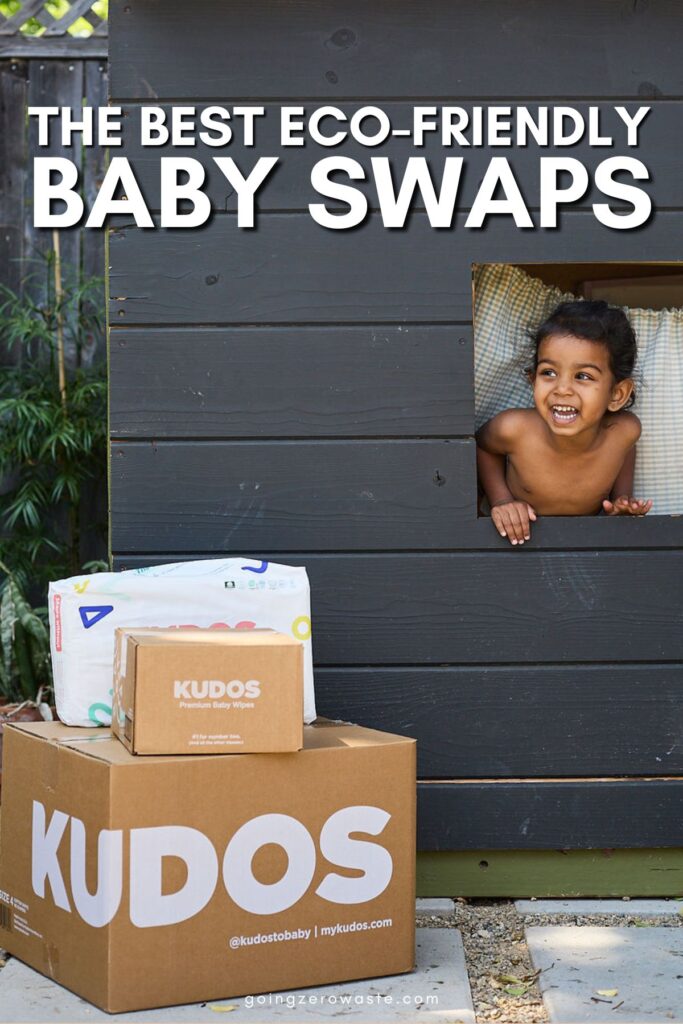
This post was sponsored by Kudos. All thoughts and opinions are my own; for more information, please see my disclosure policy.
For babies, phthalates can lurk in items like teethers, squeeze toys or bath books. And the problem lies when baby goes to suck or chew on these items, or puts their hands in their mouth after handling them. Even just crawling on the floor where dust and synthetic carpet fibers are can increase exposure.
Babies are especially sensitive to harmful chemicals because their bodies and brains are still developing. According to a recent study, children’s exposure to phthalates adversely affected their levels of reproductive hormones, anogenital distance and thyroid function.
Unfortunately plastic can be hard to avoid with a newborn, especially with disposable diapers needing plastic to be efficient. And being a new parent is already hard enough without tacking on shame or guilt.
However, there are steps you can take to reduce baby’s plastic exposure. You don’t have to do all of these, but even trying just one non toxic swap helps!
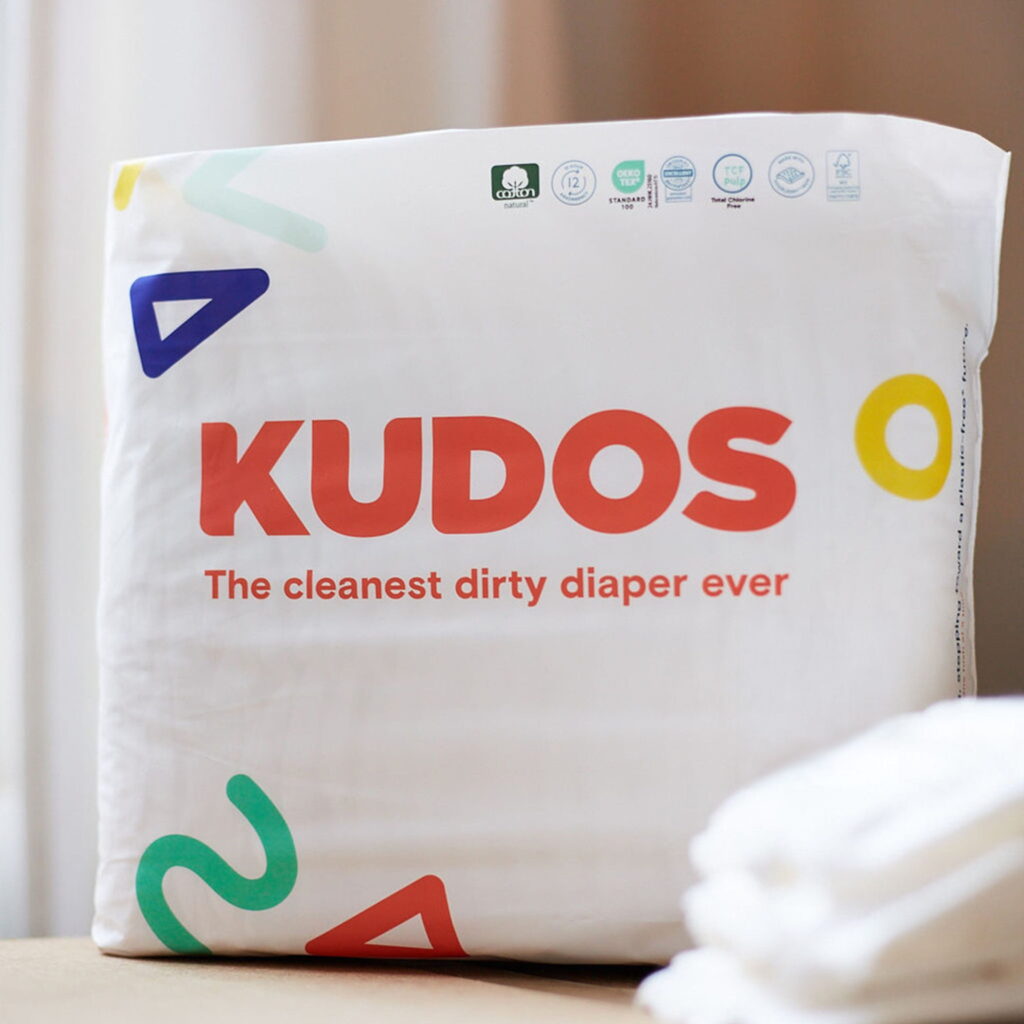
Table of Contents
rethink your diapers
Many diaper components are made up of plastic, giving it that waterproof quality mothers need to get through the day.
Reusable cloth diapers are a great option, but they’re not always accessible due to how expensive they are. Plus, not everyone has a laundry machine in their homes, making washing them more challenging. And if you utilize daycare, some centers may not accept cloth diapers due to concerns about sanitation and storage space.
Disposables tend to be cheaper and easier to find, but they’re not all created equal. It’s best to prioritize brands that minimize the amount of plastic in their products.
That’s where Kudos comes in, the first disposable diaper brand with a 100% cotton liner. To be clear, Kudos still have plastic in them (like all disposable diapers), but they’re the first to switch out the plastic topsheet (i.e. that inner liner of the diaper) for cotton. The liner matters because it’s the part touching your baby’s most sensitive area.
Their U.S. sourced cotton is dry processed without water, chemicals, or process heat. This ensures it’s breathable and hypoallergenic for baby.
Best of all, Kudos was designed by a mom (and an MIT engineer) who understands no one wants their baby exposed to harsh chemicals. For that reason, the brand’s diapers are made without lotions, fragrances, natural latex, parabens, and phthalates.
On top of this, Kudos are OEKO-TEX STANDARD 100 certified, use FSC certified wood pulp for their cores, and are Totally Chlorine Free (TCF).
Lets break down why each of those matter:
- OEKO TEX STANDARD 100 certified means every component of the product has been tested for harmful substances, and found safe for human health.
- FSC certified wood pulp means the wood pulp Kudos sources for the core of their diapers comes from sustainably managed forests.
- Totally Chlorine Free (TCG) means there is no chlorine used to bleach the diapers (a process done to make diapers appear whiter and cleaner). Chlorine bleaching leaves behind toxic residue or chemical by-products called dioxins which the World Health Organization (WHO) warns can harm children’s reproductive and immune systems.
Plus, Kudos diapers are designed for strong overnight performance with award-winning and patented DoubleDry absorbency. Aka, two absorption layers instead of the usual one, allowing for 12+ hour absorbency! Comfort without sacrificing efficiency.
RELATED: 7 Best Non Toxic Diapers For Babies
be selective with toys
Many baby toys, from rattles to activity toys, are made from plastic. Most babies explore the world by putting things in their mouths, so it’s important to prioritize plastic-free toys when possible.
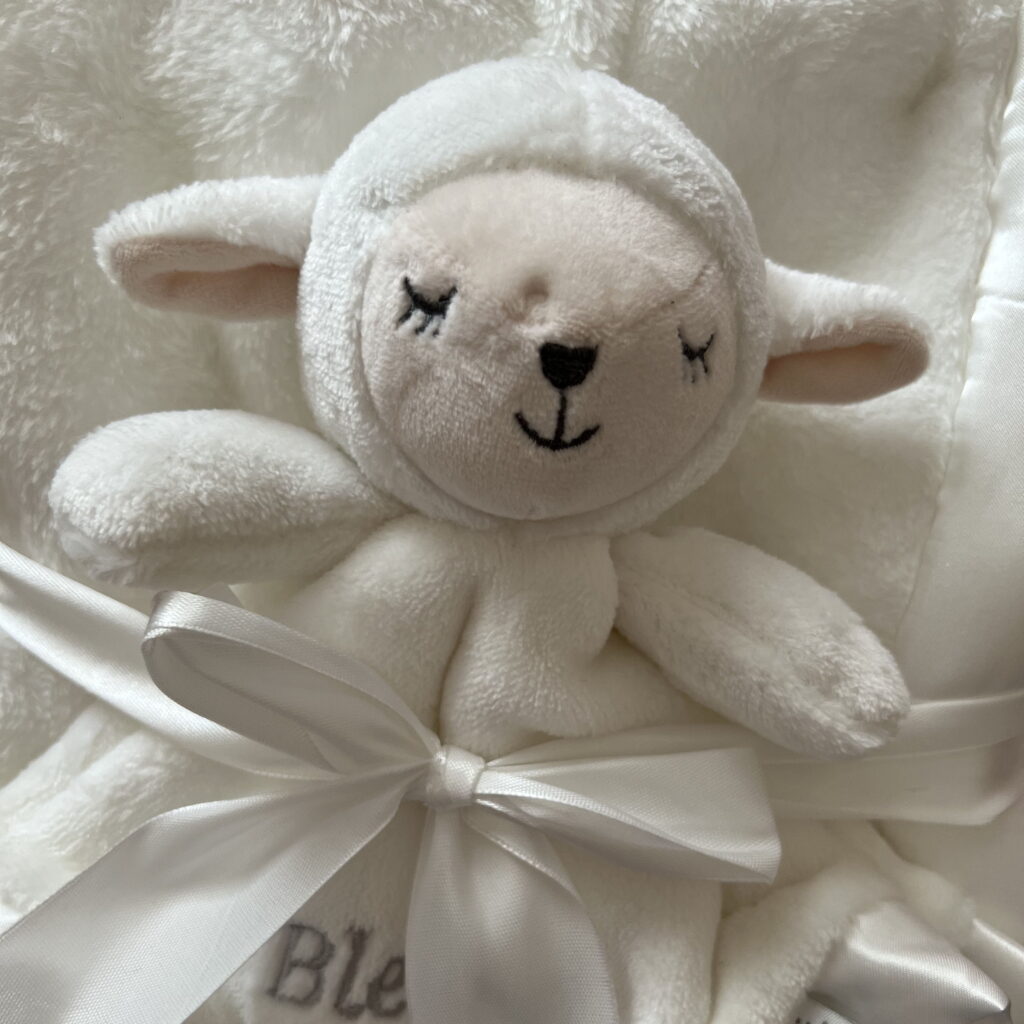
If you can, choose toys made from wool, natural fabrics, or natural rubber when possible. Some examples include cotton plushies, wooden play blocks, and natural rubber teethers. For plushies, just make sure the insides are also stuffed with natural materials (like cotton or wool), instead of plastic foams.
For tummy time, try to use non toxic tummy time mats and play gyms. Even just using a soft natural fiber blanket works. Lalo and Lorena Canals both create play rugs and mats made with polyester-free materials.
For when baby gets a little older, it’s also a good idea to rethink other art supplies too. Many crayons, paints and markers contain plastic and other synthetic ingredients. Try to look into beeswax crayons and plant-based paints when possible.
You can make edible fingerpaint for six month olds using cornflour and natural food coloring. That way, if baby gets any in their mouth, it’s no problem!
Woodlark also has some wonderful natural DIYs safe for kids, like homemade chalk and naturally dyed playdough. These DIYs are suitable for slightly older children, so it can be good to save for later down the line.
choose natural fibers
Many baby clothes are made from synthetic fabrics like polyester, rayon blends, and fleece. These are man-made materials, aka plastic, and not natural fibers.
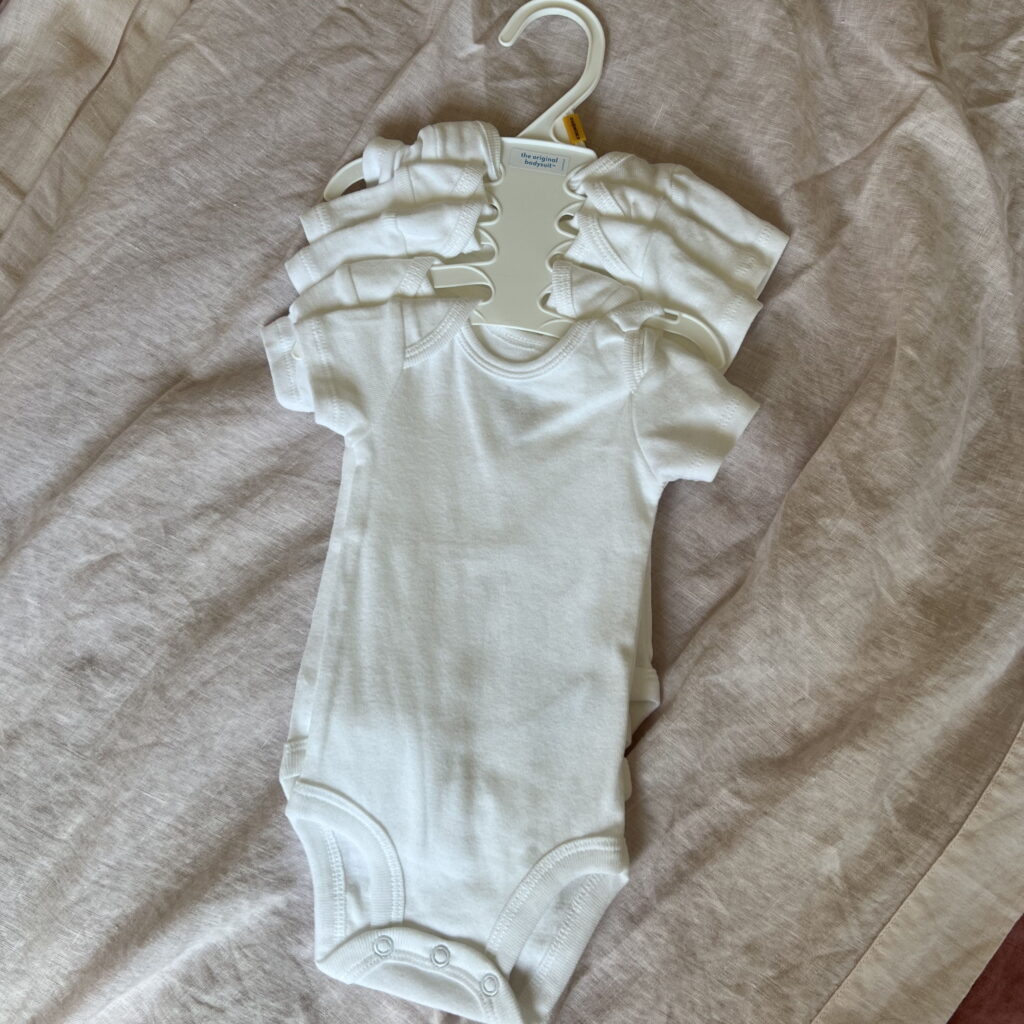
Whenever possible, opt for better fiber options, such as organic cotton, hemp and wool. Check thrift stores and clothing swaps to cut down on costs and give clothes a second life (babies grow fast after all).
Train yourself to look for certifications like GOT (Global Organic Textile Standard) and OEKO-TEX, as this ensures fewer chemicals were used to treat the clothes.
Try to avoid confusing labels such as cotton blends (usually a mix of polyester and cotton), soft touch/ultra soft (refers to finishing processes), and bamboo (heavily processed through chemicals).
Obviously, people are going to gift baby a ton of clothes. So if you can’t fully avoid synthetics, make sure to wash it before first wear using gentle, fragrance-free detergent. And immediately replace once the fabric tears or shows signs of break down.
This also pertains to rugs and baby blankets: Whenever possible, try to choose natural fibers like cotton or wool over synthetic materials. This will further reduce baby’s exposure to microplastics.
don’t heat up plastic
A new study shows that plastic baby bottles, when heated or shaken, release microplastics into the liquid. Because of this, bottle-fed infants around the world may be consuming more than 1.5 million particles of microplastics per day on average.
Consider switching to glass baby bottles if you can. If that’s not an option, rethink your bottle preparation routine. Try heating up formula in a glass container, letting it cool, then transferring it to a plastic bottle.
Avoid using the microwave to heat up both breastmilk and formula, as this can lead to pockets of superheated water next to the plastic, triggering more microplastics to shed.
If you’re up to solids, consider making your own baby food and storing them in upcycled glass jars you can reheat without issue. Just steam or boil fruits and vegetables, then puree them in a blender before transferring them to airtight containers (ideally glass).
For your sanity, you can also consider freezing homemade baby food in silicone molds, then reheating on the stove in a pot. Souper Cubes makes 100% FDA food-grade silicone molds and their ‘cookie tray’ is perfect for freezing breastmilk or solids in small increments. Their lids are also BPA-free.
So, how are you reducing baby’s plastic exposure? Let me know in the comments!
And, a huge thank you to Kudos for sponsoring this post. Be sure to visit Kudos.com to get their hands on their 100% plastic-liner free diapers!